5 Minute Mobility For Recovery
Moves Every CrossFitter Should Be Doing
Let’s be honest, mobility is one of those things we know we should do… but it’s usually the first thing we skip.
You finish a workout, you’re sweaty, tired, and ready to head out the door. Or maybe you tell yourself you’ll do mobility later at home… and it never happens.
But here’s the truth:
If you want to move better, lift heavier, and stay injury free, mobility isn’t optional, it’s essential.
The good news? You don’t need an hour long routine or a yoga class to see results. You just need 5 intentional minutes a day.
🔥 Why Mobility Actually Matters
Mobility isn’t just about “stretching.” It’s about improving how your body moves so you can perform better in every workout.
When you prioritize mobility, you:
Move more efficiently in lifts like squats, cleans, and snatches
Reduce your risk of injury
Recover faster between workouts
Feel less stiff, tight, and restricted
Ever feel like your squat just doesn’t feel right? Or your overhead position is a struggle no matter how strong you are?
That’s not always a strength issue, it’s often a mobility issue.
🚫 The Biggest Mobility Myth
A lot of people think:
“If I don’t have 30–60 minutes, it’s not worth doing.”
That’s exactly why it doesn’t get done.
Mobility doesn’t need to be long, it needs to be consistent.
Five minutes a day done regularly will take you way further than one long session you do once a week (or let’s be real… once a month).
No guesswork. No overthinking. Just simple, effective movements you can do anywhere.
1. Couch Stretch (Hip Flexors) – 1 minute each side
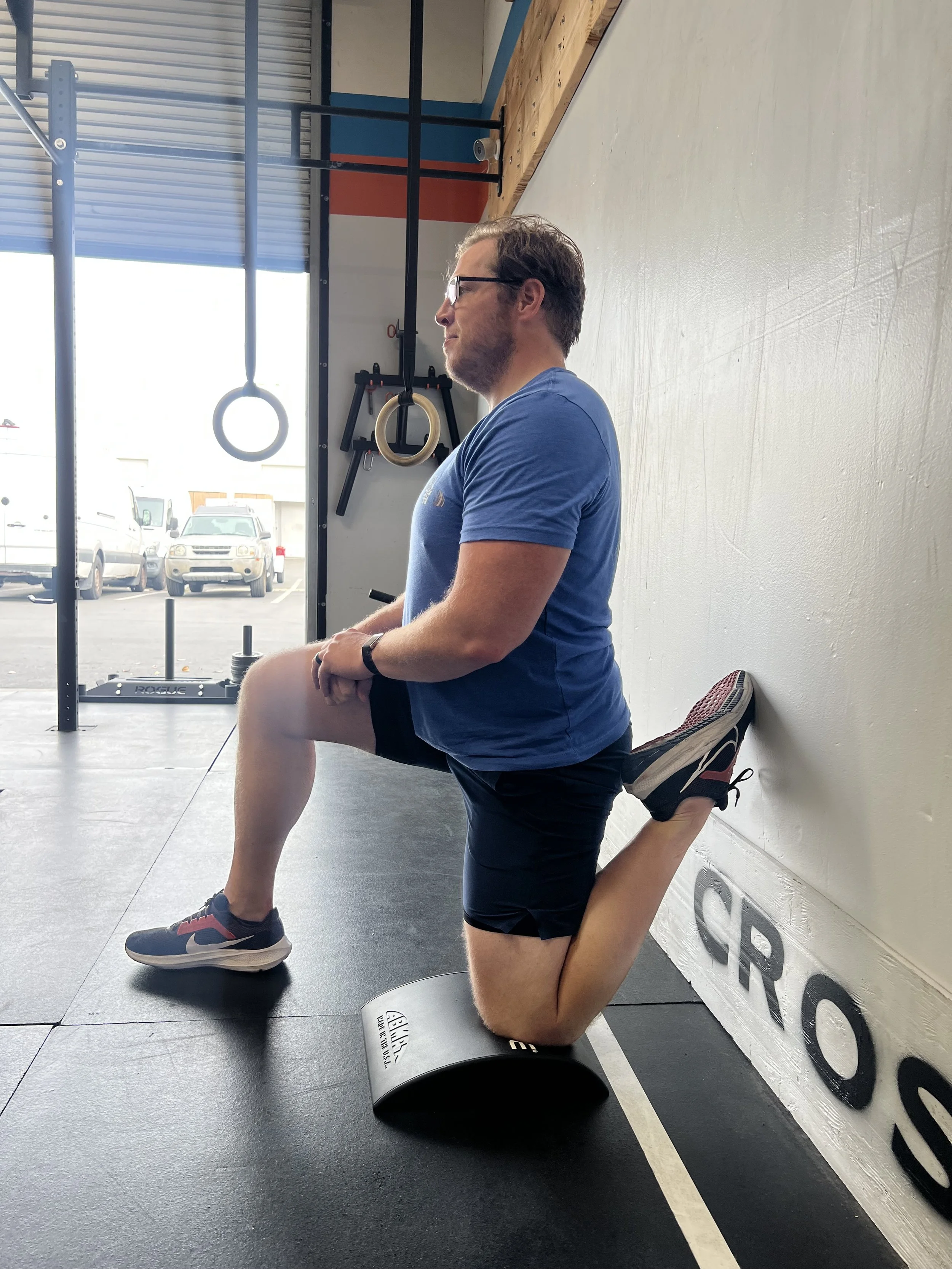
This stretch targets your hip flexors, which get tight fast, especially if you sit a lot during the day or spend time driving.
To set up, place one knee on the ground close to a wall or couch, with your shin running up the wall if possible. Your other foot should be planted in front of you like a lunge. From there, bring your chest upright and gently squeeze your glutes.
You should feel a deep stretch in the front of your hip and possibly down your quad. The key here is to stay tall, if you lean forward, you lose the stretch.
👉 Why it matters: Tight hip flexors can limit your squat depth, affect your running, and even contribute to lower back discomfort
2. World’s Greatest Stretch – 5 reps each side
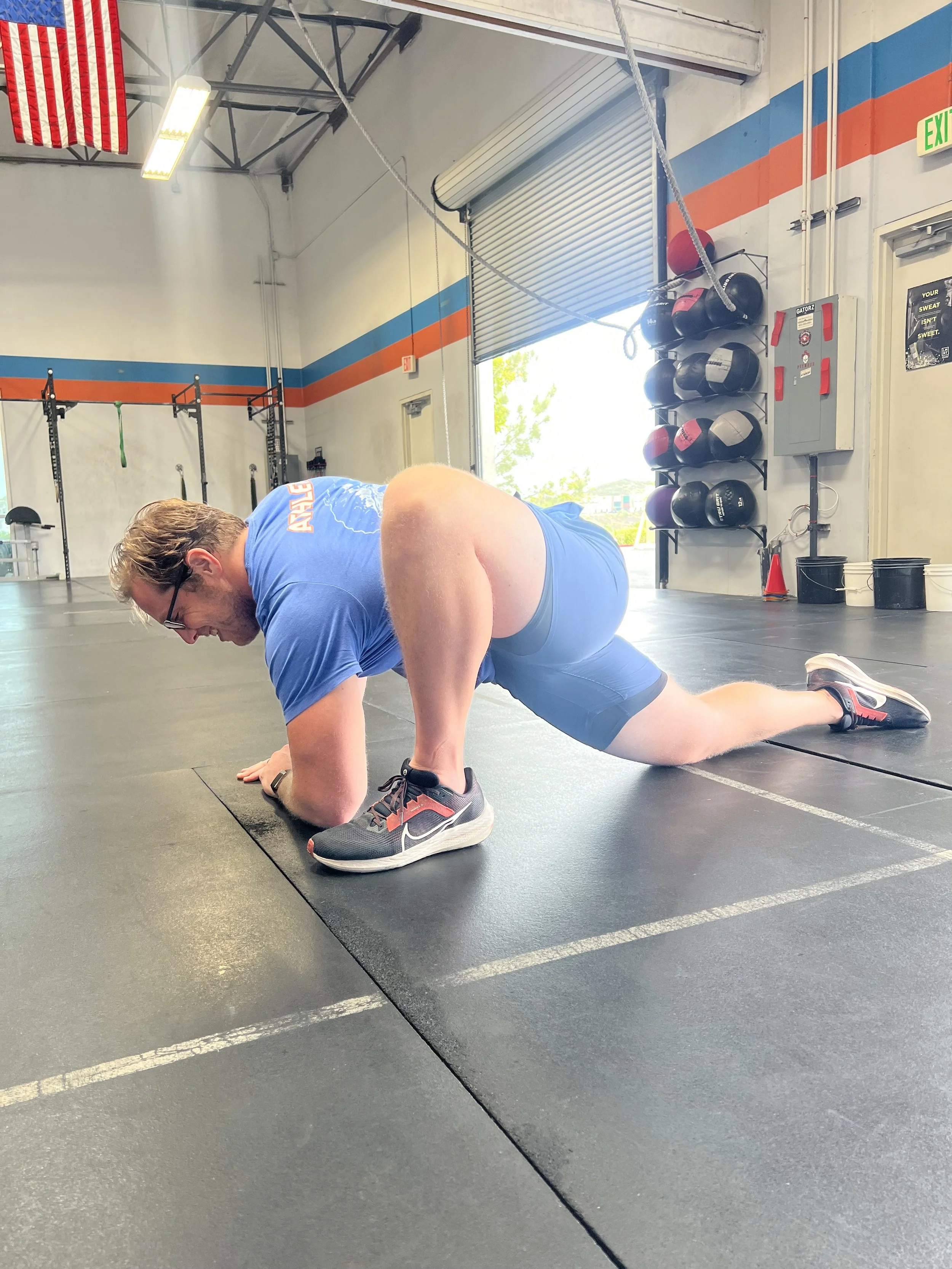
This is a full-body movement that opens up your hips, hamstrings, and upper body all at once.
Start in a long lunge position with one foot forward and both hands on the ground inside your front foot. From there, drop your back knee if needed. Bring your elbow toward the ground, then rotate your chest open and reach your arm toward the ceiling, following your hand with your eyes.
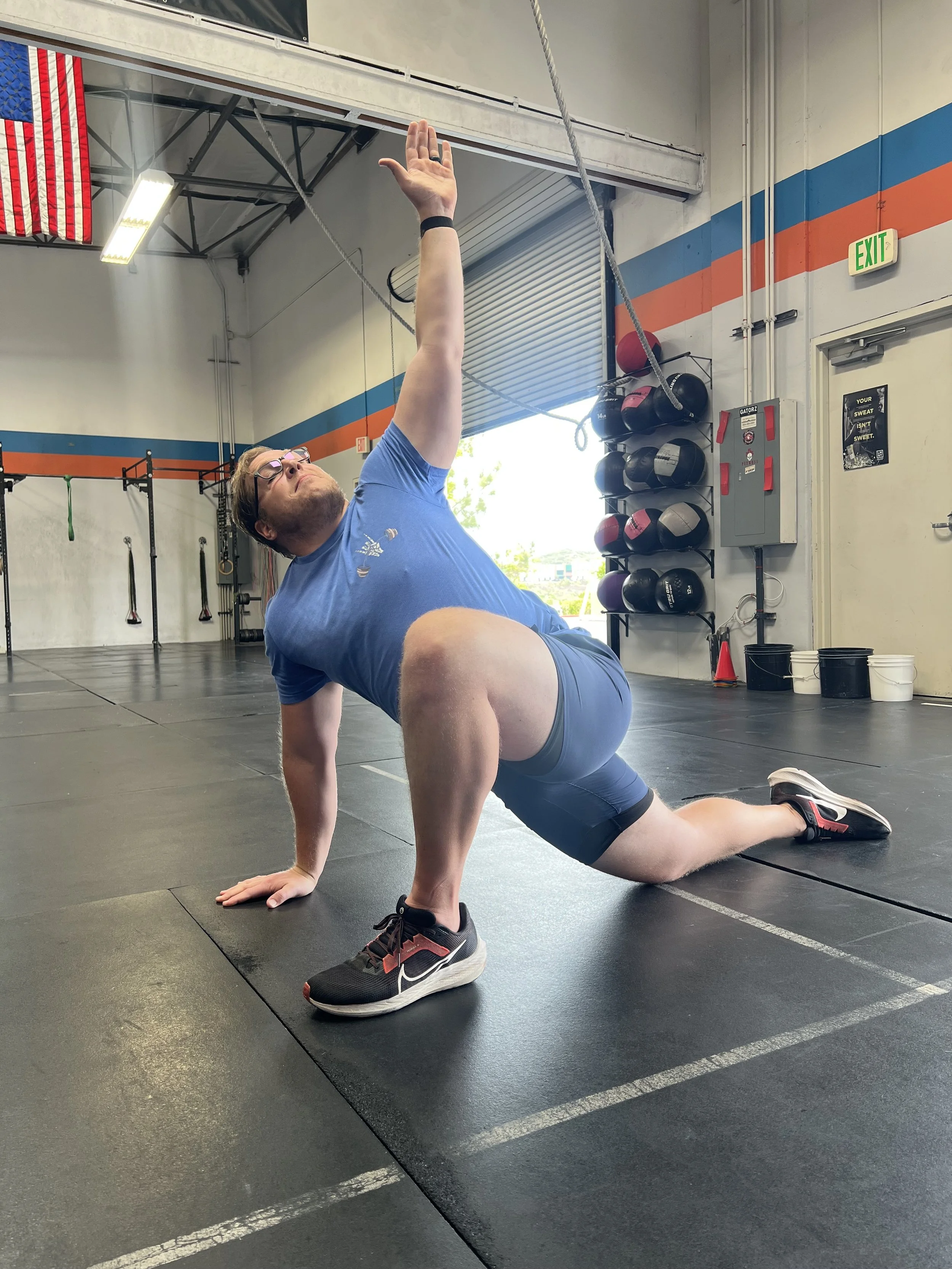
Move slowly and with control, using your breath to go deeper into each position.
👉 Why it matters: This stretch improves both lower body mobility and thoracic (upper spine) rotation, key for movements like lunges, running, and lifting.
3. Thoracic Spine Rotations – 8–10 reps each side
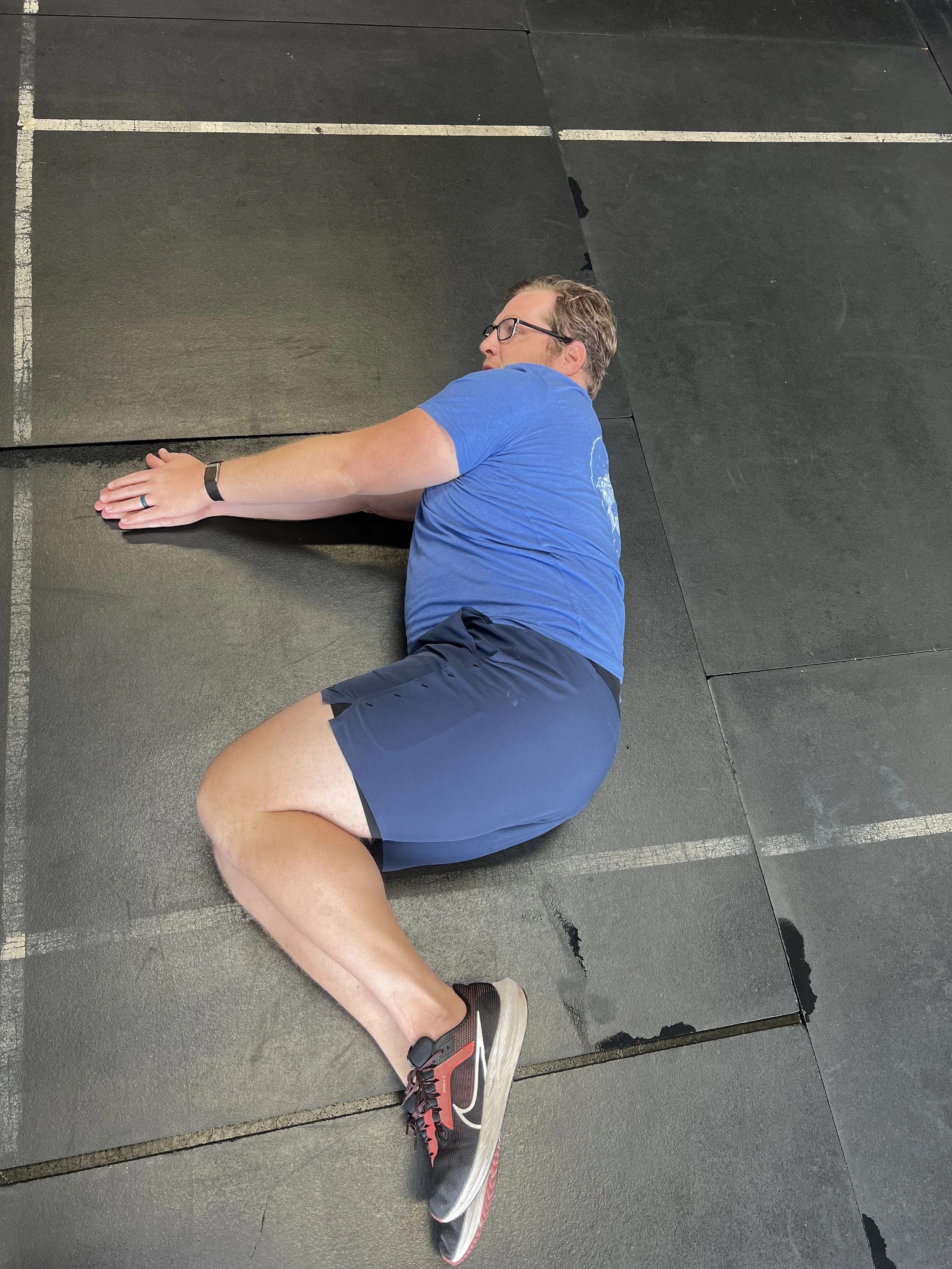
Your thoracic spine (mid/upper back) plays a huge role in posture and overhead movement. When it’s tight, your shoulders and lower back tend to compensate
You can do this from an all fours position or lying on your side. Keep your hips as still as possible while rotating your upper body. Think about opening your chest and shoulders, not just moving your arm
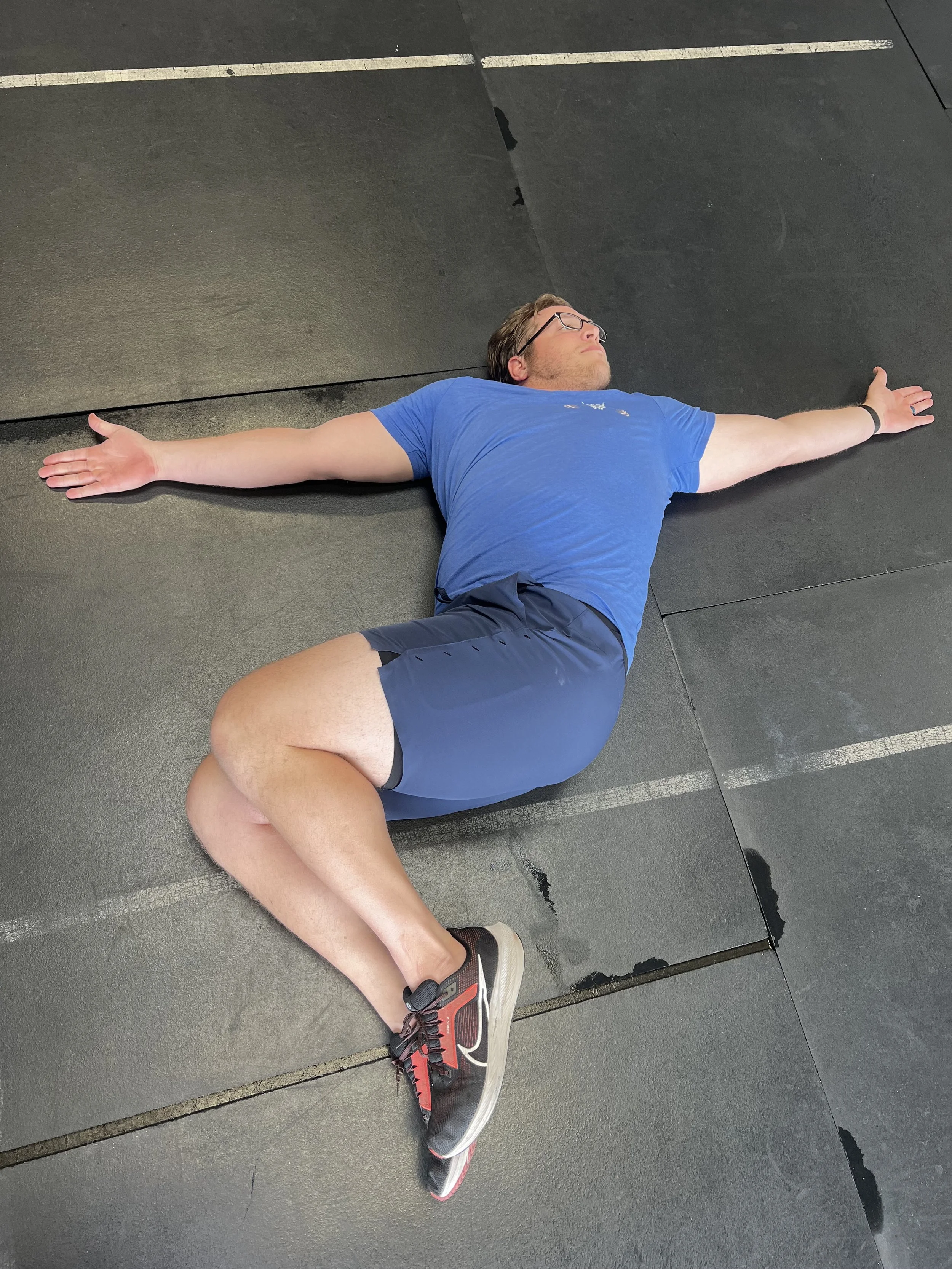
Focus on smooth, controlled rotations rather than forcing range of motion.
👉 Why it matters: Better thoracic mobility = stronger, safer overhead lifts and less strain on your shoulders
4. Deep Squat Hold – 1–2 minutes total
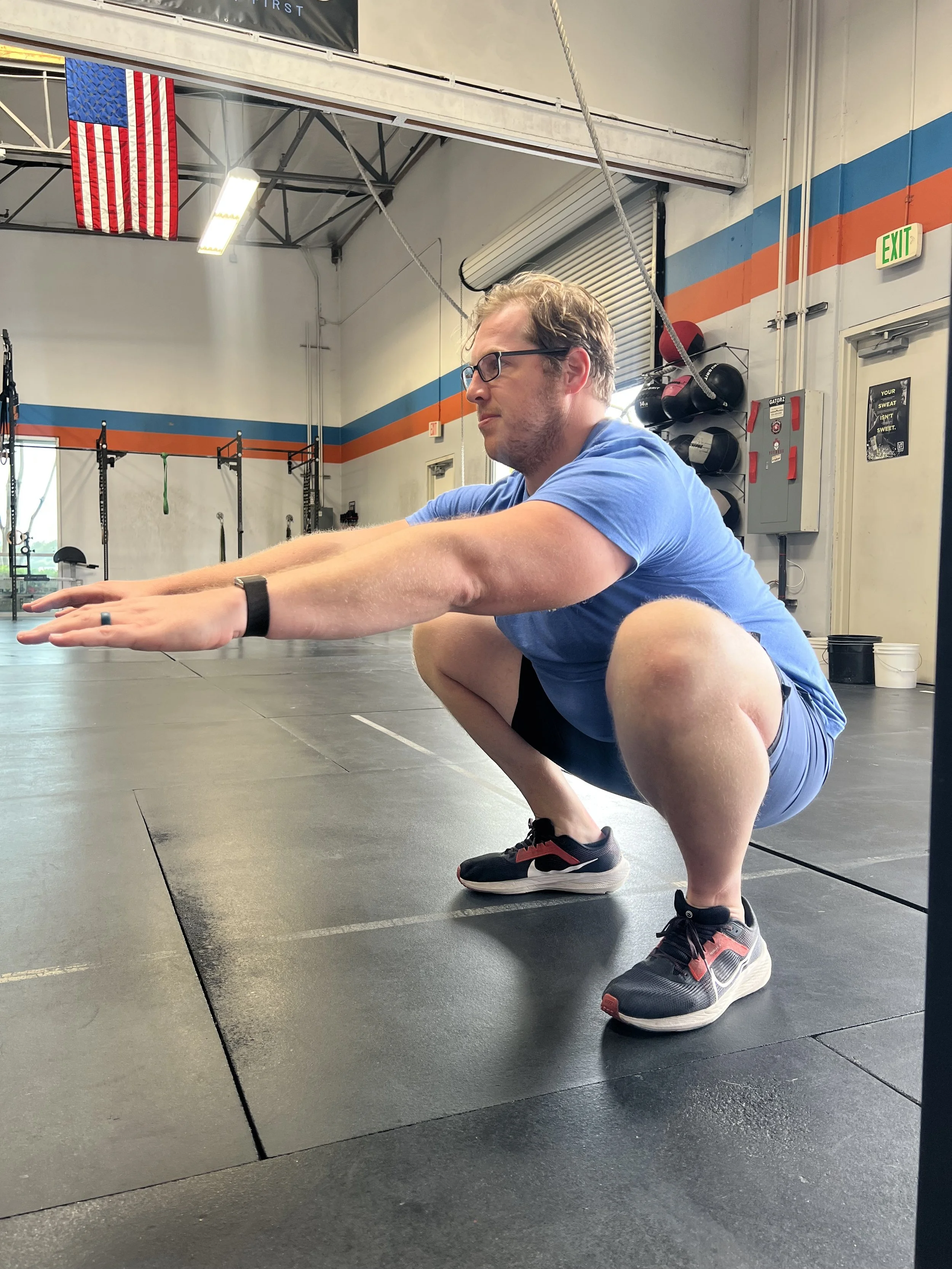
This is one of the simplest and most effective ways to improve your squat.
Drop into the bottom of a squat with your feet about shoulder-width apart. Keep your heels planted firmly on the ground. Use your elbows to gently press your knees outward while keeping your chest lifted.
If you struggle to stay upright, you can hold onto something in front of you for balance.Try to relax into the position instead of fighting it. This is where real mobility gains happen.
👉 Why it matters: This improves ankle, hip, and knee mobility all at once, making your squats feel smoother and more stable.
5. Shoulder Opener (Band or PVC) – 10–15 reps
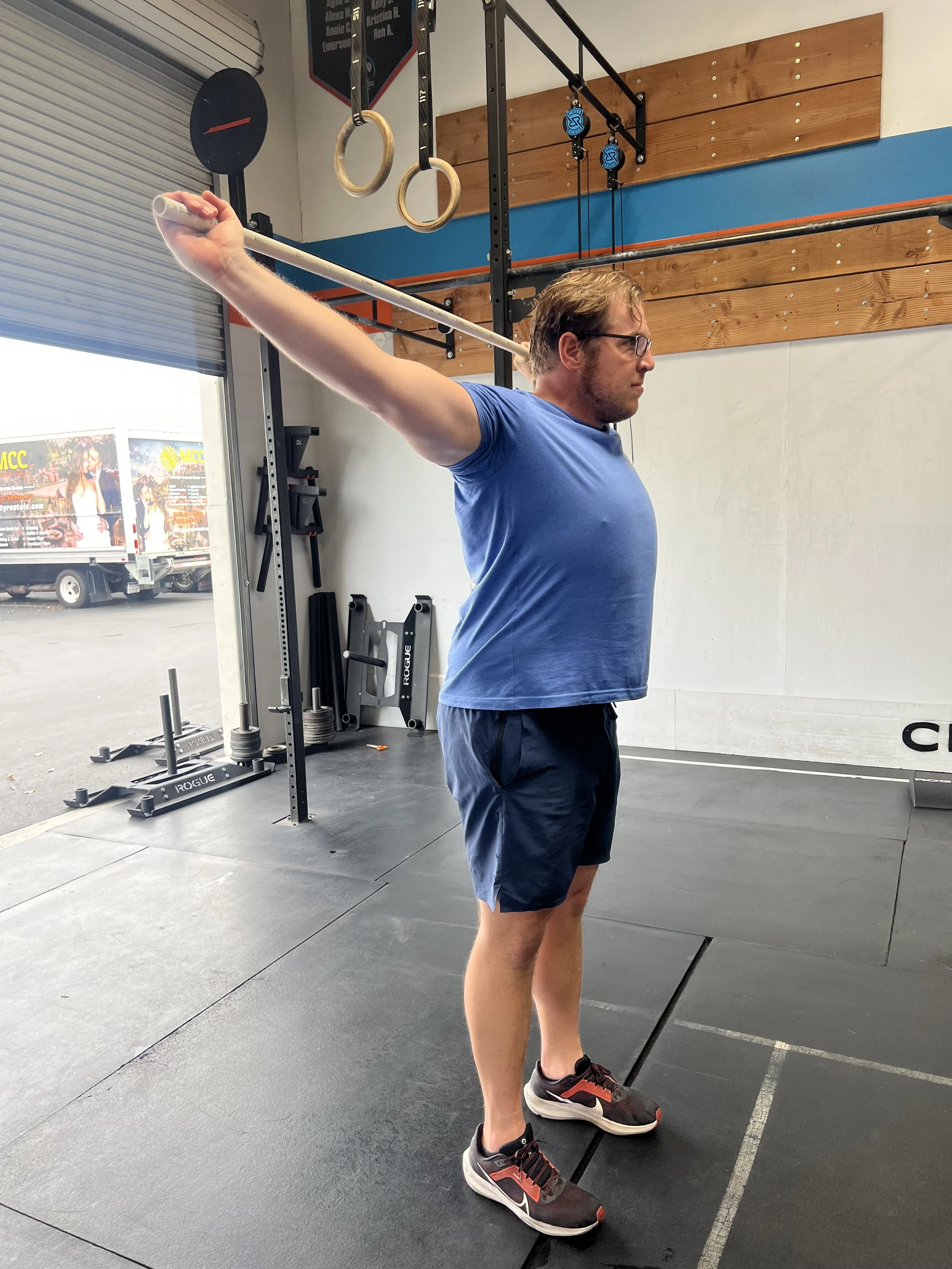
This movement helps loosen up your shoulders and improve your overhead range of motion.
Hold a resistance band or PVC pipe with a wide grip in front of your body. Keeping your arms straight, slowly raise it overhead and continue moving it behind you as far as comfortable. Then return to the front
If it feels too tight, widen your grip. Over time, you can gradually bring your hands closer together.
Keep your core engaged and avoid arching your lower back. This should come from your shoulders, not your spine.
👉 Why it matters: Better shoulder mobility leads to stronger, more stable overhead lifts like presses, jerks, and snatches
🕒 When Should You Do This?
The best time? The time you’ll actually do it.
Try:
Before class as a quick warm up
After class to help recovery
At home while watching TV
While your coffee brews in the morning
Habit stacking makes this way easier than trying to “find time.”
💡 Make It Realistic
You don’t need perfect conditions. You just need to start.
Do it:
In your living room
In pajamas
Between scrolling on your phone
The goal isn’t perfection, it’s consistency.
🔑 The Real Secret
Here’s what most people get wrong:
They treat mobility like an “extra.”
But the athletes who move the best, lift the best, and stay injury free?
They treat it like part of the process.
Mobility isn’t about going hard, it’s about showing up daily.
👊 Final Takeaway
If you’ve been feeling tight, stiff, or limited in your workouts, this is your sign to start.
Not tomorrow. Not next week. Today.
Five minutes. That’s it.
Because the truth is:
You don’t need more time, you just need a better habit.
